Community
Light Treatment
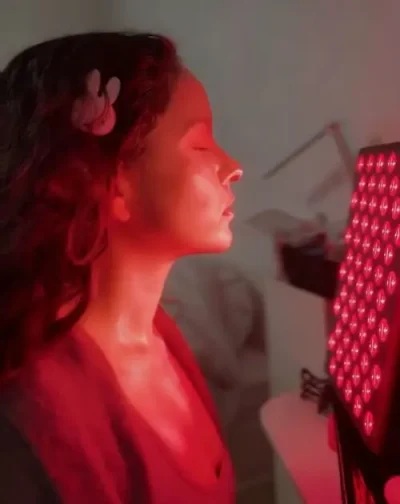
Phototherapy or photobiomodulation is atechnique that uses specific wavelengths oflight to stimulate cell growth or repairprocesses.
Scientifically, certain light frequencies canpromote cell repair and regeneration, anti-inflammatory and immune regulation, andsupport circadian rhythm regulation.
Its application range has significant effects onhumans and animals, ranging from anti-inflammatory and reparative treatments toenhancing cell activation and promoting woundhealing.
Activate cells
Specific light energy is absorbed bymitochondria, increasing the production ofcellular energy (ATP), thereby promoting thesynthesis of collagen and elastin in fibroblastsand accelerating tissue repair.
Broad spectrum efficacy
Different wavelengths are tailored to target various
cellular mechanisms, providing differenttherapeutic benefits.Different wavelengths aretailored to target various cellular mechanismsproviding different therapeutic benefits.
Biological regulation
It plays a role in regulating biological functions,which may include hormone balance and immunesystem response.
Services
Every need is a scientifc analysis.

Infrared therapy
The wavelength of infrared is 760 nmto 50 u m, which belongs toinvisible light. The main function ofinfrared radiation is based on thethermal effect. According to biologicalcharacteristics, infrared radiation canbe divided into two segments. one islong wave infrared radiation, with awavelength of 1.5-15 u m, also known asfar-infrared radiation.
Visible light therapy
Visible light can cause the retina tosense light, with a wavelength of760-400nm,composed of seven colors oflight including red, orange, yellow, green,cyan, blue, and purple.
Visible light therapy includes red light,blue light, blue violet light, andmultispectral therapy. The therapeuticeffects of visible light are mainly thermaand photochemical thermal effects.Visible light can cause vision.
The circadian rhythms of humans andanimals, as well as a series ofphysiological functional rhythms, areclosely related to the natural lightingrhythm (day night alternation).
Ultraviolet therapy
UItraviolet light is an invisible light inthe spectrum that is located outsideof violet light and has a wavelengthsmaller than violet light. its wavelength is400-180nm.Photon energy is high and ithas significant photochemical effects.
Photodynamic therapy
The combination of long waveultraviolet radiation and certainphotosensitive drugs is used to treatskin diseases, also known as black lighttherapy or photochemical therapy.
More...
Do you know what other uses thereare for light in society?
Services
From ultraviolet radiation for skin conditions and blue light for regulating circadianrhythms to infrared radiation for deep tissue healing, it provides a variety ofapplications in the fields of medicine and therapy.
Red LED
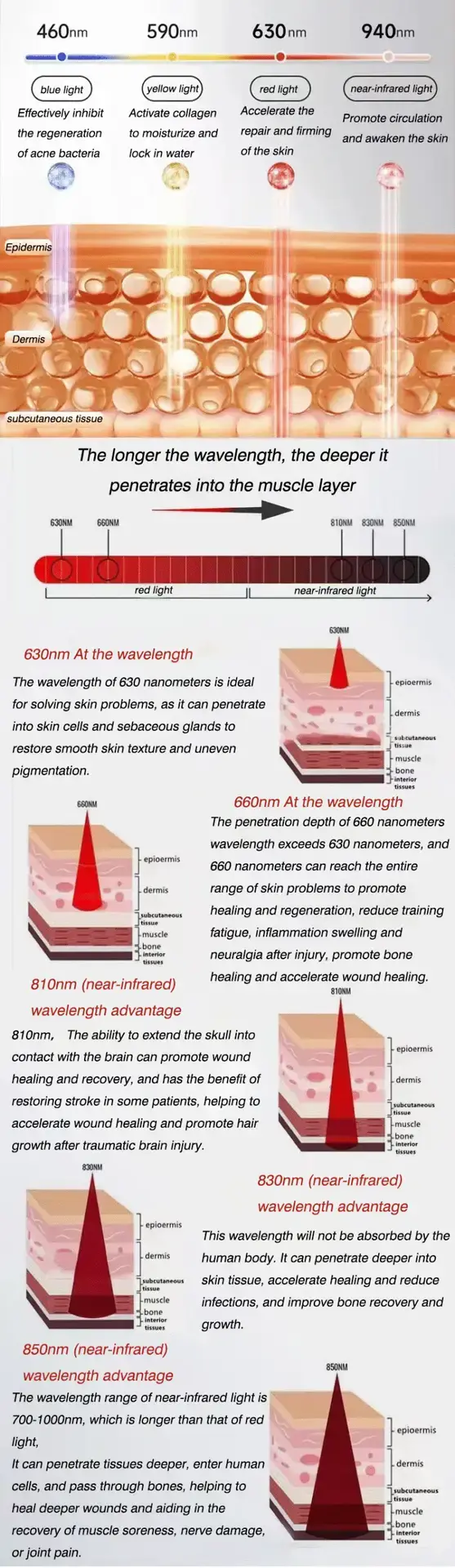
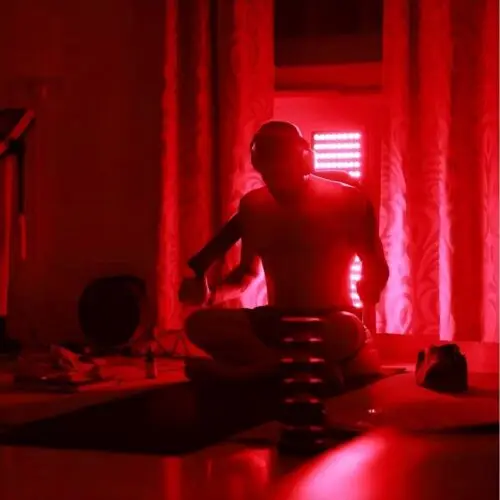
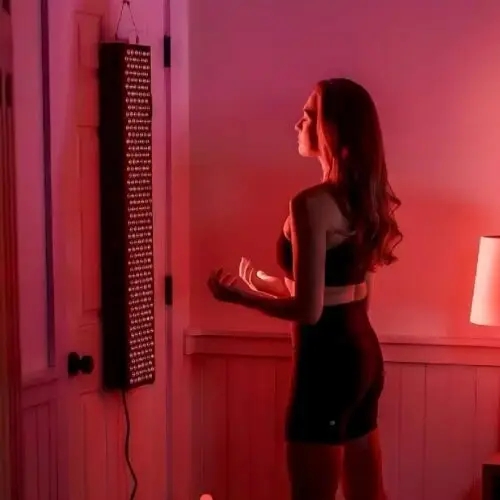
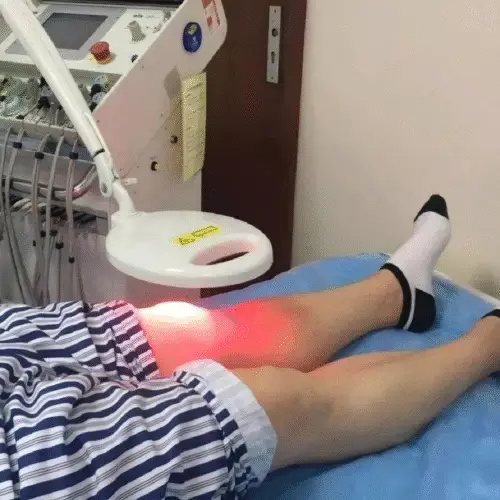
Red light therapy is a non-invasive treatmenttechnique that utilizes visible light with a wavelengthof 600-700 nanometers.lt mainly works by promoting cellrepair, reducing inflammation, improving blood circulationand other mechanisms. lt is suitable for fields such as skinrepair, pain management, and anti-inflammatorytreatment.
- Promote wound healing and skin repair: Red light canpenetrate the epidermal layer, stimulate mitochondriato produce more energy molecules (ATP), acceleratecell metabolism and collagen synthesis, help repair skininjuries such as burns, postoperative wounds, acnescars, and improve wrinkles and pigmentation causedby photoaging.
- Reduce inflammatory response: By inhibiting therelease of pro-inflammatory factors such as lL-6 andTNF -α, red light can alleviate chronic inflammatorydiseases such as arthritis and tendinitis, and reduce theredness and swelling symptoms of skin inflammationssuch as acne and eczema.
- Relieve pain and muscle fatigue: Red light canimprove local blood circulation, reduce lactateaccumulation, and alleviate muscle soreness; it alsohas auxiliary analgesic effect on neuropathic pain(such as diabetes peripheral neuropathy) and bonejoint pain (such as knee arthritis).
- Improve hair growth: By activating hair follicle stemcells and promoting angiogenesis around hair follicles,some studies have shown that it has an improvingeffect on androgenetic alopecia or alopecia areata.
Near-infrared LED
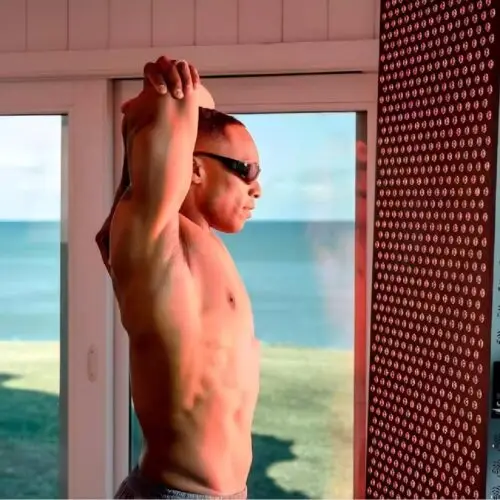
The core difference between near-infrared light(wavelength 700-1100 nanometers, belonging toinvisible light, with lower energy) and red light lies in thewavelength range, penetration depth, biological effects,and application fields.lt acts on the surface of the skin andis suitable for cosmetic repair, Near infrared light isinvisible light (wavelength 700-1100 nanometers) that canpenetrate deep into tissues and is suitable for medicaltherapy.
- It can penetrate deep into muscles and joints, andalleviate deep-seated inflammation and pain byenhancing blood circulation.
- Used for medical therapy (such as joint pain relief, deeptissue repair) and fertility improvement.
Yellow LED
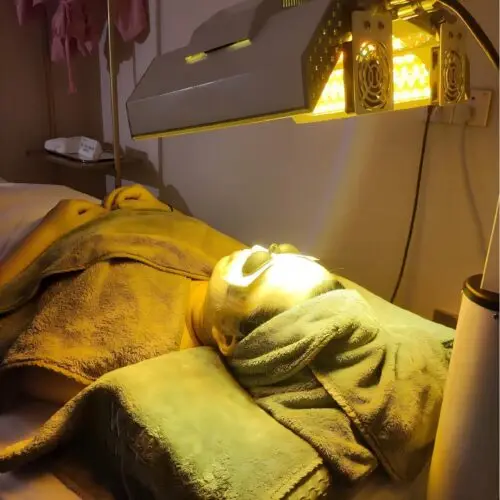
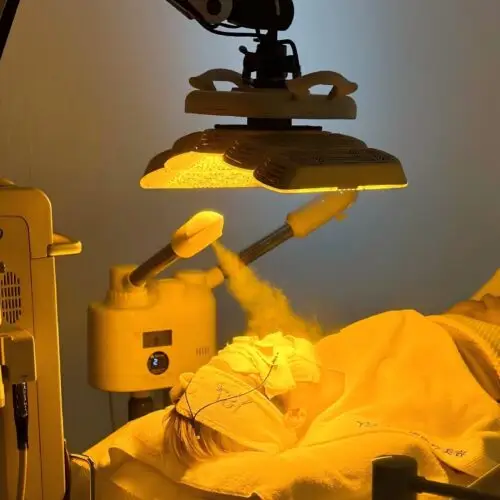
Yellow light therapy device is a device that usesspecific wavelengths(570-590nm) of yellow light forphototherapy.lt is mainly used to improve skininflammation, promote tissue repair, regulate skinmicrocirculation, and inhibit pigmentation. it is suitable forproblems such as acne, eczema, and postoperative repairand belongs to non-invasive physical therapy methods.
- Anti inflammatory and Soothing: Yellow light can inhibitthe release of inflammatory factors (such as lL-6 andTNF-α),alleviate allergic or dermatitis symptoms suchas redness, swelling, and itching.
- Promote cellular metabolism: stimulate mitochondrialactivity,accelerate ATP production, and enhance skincell regeneration and repair capabilities.
- Improve microcirculation: dilate capillaries, promotelocal blood circulation, help eliminate metabolic wasteand alleviate congestion or edema.
- Inhibition of melanin production: By regulatingtyrosinase activity, reducing melanin deposition, andassisting in fading pigmentation.
Blue LED
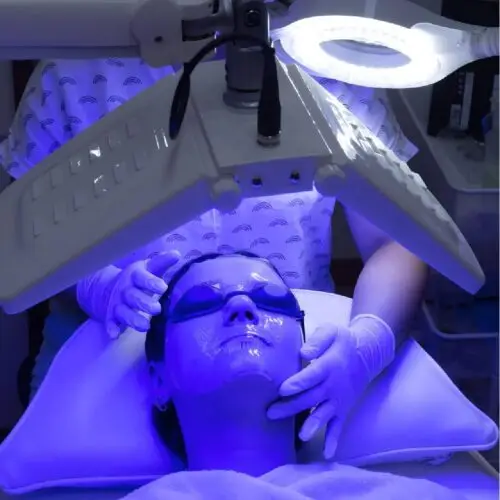
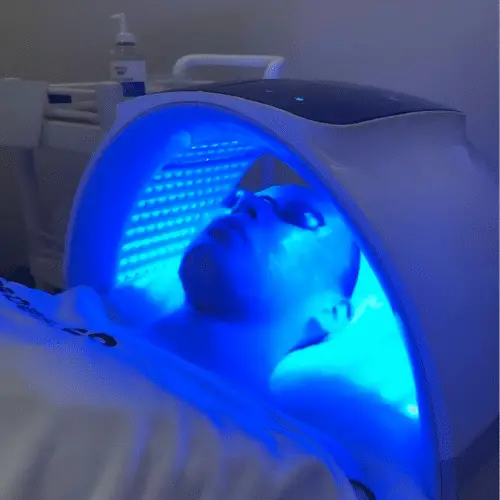
Blue light therapy is a physical therapy that usesspecific wavelengths (usually 400-500nm) of bluevisible light for disease intervention.lts core functionsinclude treating neonatal jaundice, inhibiting skininflammation, and regulating biological rhythms. Theprinciple is to produce specific therapeutic effects fordifferent diseases through photochemical reactions orphotobiological effects.
- Treatment of neonatal jaundice: Skin yellowing causedby abnormal bilirubin metabolism. Blue light(wavelength 450-470nm)can penetrate the skin andconvert fat soluble unconjugated bilirubin into water-soluble isomers, which are excreted through bile andurine. This process is safe and efficient, and is thepreferred non-invasive therapy in clinical practice.
- Skin disease management: Blue light (wavelengtharound 415nm) can activate the porphyrin substancesproduced by Propionibacterium acnes metabolism,generate active ingredients such as singlet oxygen,destroy bacterial structure, and reduce sebaceousgland inflammation. lt is suitable for mild to moderateacne patients and requires continuous treatment forseveral weeks. And blue light alleviates chronicinflammatory reactions by inhibiting the proliferation ofskin T cells and the release of pro-inflammatorycytokines.Some studies have shown that combinedultraviolet therapy can enhance therapeutic efficacy.
- Emotion and sleep regulation: Blue light (460-480nm)can stimulate retinal ganglion cells, inhibit melatoninsecretion, and enhance cortisol levels, therebyadjusting circadian rhythms. Clinically used forseasonal mood disorders(winter depression), sleepphase delay syndrome (difficulty falling asleep),circadian rhythm disorders in shift workers, and so on.
- Other potential applications: wound healing (low-intensity blue light can promote fibroblast proliferationand accelerate wound repair), oral infections(photodynamic therapy for periodontal pathogens)disinfection and sterilization (high-intensity blue lighthas a certain inactivation effect on drug-resistantbacteria and viruses).
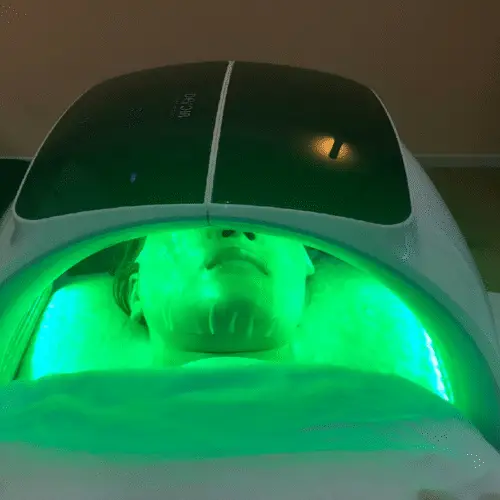
Green LED
Green light therapy is a therapy that uses specificwavelengths (approximately 520-570nm) of greenlight to regulate biological rhythms, improve skin diseases,relieve pain, and assist in the treatment of emotionaldisorders.lt is a non-invasive and safe physical therapymethod.
- Regulating sleep and biological clock: Green light canaffect retinal ganglion cells, inhibit melatonin secretion,help regulate circadian rhythm disorders, and issuitable for insomnia, jet lag syndrome, etc. Researchhas found that exposure to green light during the daycan enhance alertness, while avoiding exposure togreen light at night can help improve sleep quality.
- Skin disease treatment: Green light (often combinedwith blue light) can convert bilirubin into water-solublesubstances, promote excretion, and reduce the risk ofneurotoxicity.Specific wavelength green light caninhibit skin inflammation and alleviate symptoms suchas redness and itching.
- Auxiliary intervention for emotional disorders: Greenlight can stimulate the brain to release serotonin,alleviate seasonal affective disorders (winterdepression) and mild anxiety. Clinical practice oftencombines cognitive behavioral therapy and requiresprofessional guidance.
- Chronic pain management: Green light can alleviatechronic pain such as migraine and fibromyalgia byinhibiting the transmission of pain nerve signals. Somestudies have shown that it can reduce the dosage ofanalgesics.
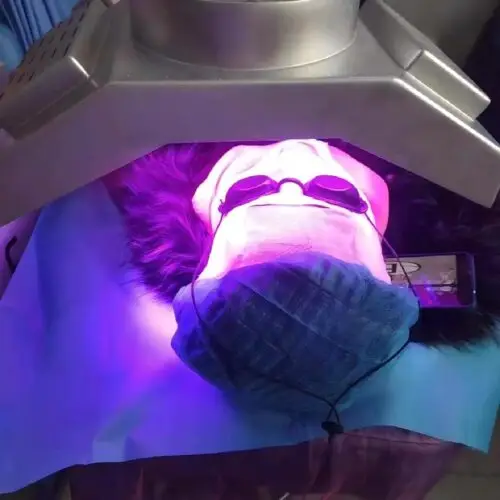
Purple LED
Purple light therapy (uv therapy) is a physical therapythat uses specific wavelengths of ultraviolet light (UVAUVB, or UVC) to intervene in diseases, mainly used for skindisease treatment,inflammation suppression, and localinfection control. The core mechanism is to achievetherapeutic effects through the regulatory effects ofultraviolet radiation on cells,microorganisms, or theimmune system.
- Skin disease treatment: Psoriasis, eczema, vitiligo(UVradiation(especially narrow spectrum UvB) can slowdown excessive proliferation of skin cells and alleviatesymptoms such as redness and scales. ) Acne andfolliculitis(uV radiation has bactericidal effects andcan reduce the proliferation of pathogenic bacteriasuch as Propionibacterium acnes)
- Inhibiting local infections: Wound infections andpostoperative wounds (uvc band (short waveultraviolet)are commonly used for surface or airdisinfection of objects, and can also be used forcontrolling superficial infections in medical settings. )
- lmmune regulation: atopic dermatitis, cutaneous T-celllymphoma (uV radiation can inhibit abnormal immuneresponses and reduce the release of inflammatoryfactors)
- Photodynamic therapy assisted: for some tumors orprecancerous lesions(combined with photosensitizersultraviolet light can activate drugs to kill diseased cellsused for the treatment of superficial tumors or skincancer (strictly follow medical advice).).
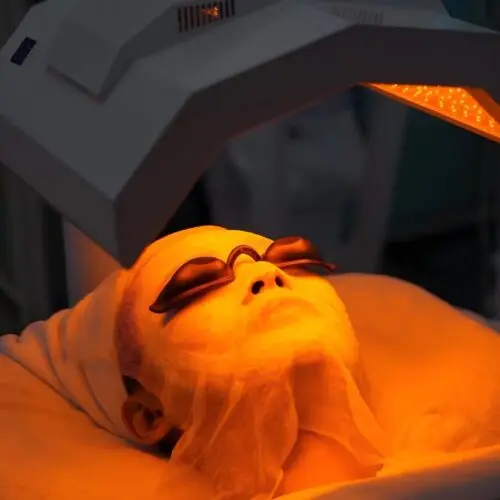
Orange LED
Orange light irradiation belongs to a type ofphototherapy beauty, which mainly acts on the skinthrough specific wavelengths (about 590-620nm) of light,promoting metabolism, relieving inflammation, andassisting repair. lt is commonly used for sensitive skin care,postoperative repair, or improvement of skin redness, butthe appropriate phototherapy regimen should be selectedbased on the skin condition.
- Promoting cellular metabolism and repair: Orange lightgently stimulates skin cell activity, helps acceleratemetabolism, promotes collagen synthesis, and assistsin repairing minor injuries (such as redness and barrierdamage).
- Relieve inflammation and sensitivity: Orange lightwavelength has a certain inhibitory effect oninflammatory mediators, suitable for soothing care ofrosacea, post acne erythema, or redness after sunexposure, reducing skin irritation.
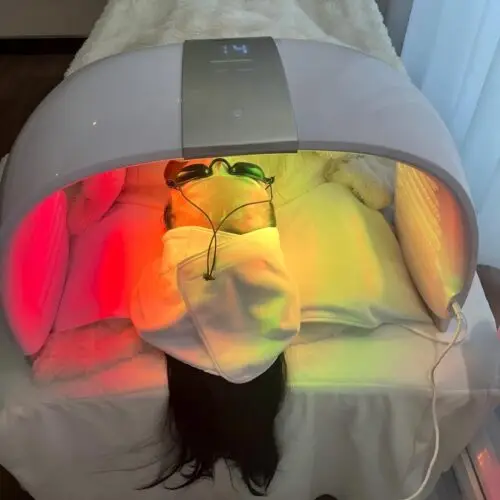
- The synergistic effect of auxiliary phototherapy: orangelight is often used in combination with red light (anti-aging), blue light (antibacterial), etc., to enhance thecomprehensive efficacy through multi bandcombination(see comparison in the table below)

Contact Us
Get your exclusive insights
Competitive advantage
Receive the latest insights and breakthroughs in LED phototherapy